Bitcoin Roars Past $73K — Volatility Is Back. Now What?

This article contains affiliate links. If you buy through our links, we may earn a commission at no extra cost to you. Full disclosure.
Bitcoin ripped through $73,000 and the market woke up. That’s the hard fact. It fell to about $63,000 days ago and then ran back up. Big swings. Big money moving fast.
What just happened
Price moves this big aren’t polite. They’re driven by the interplay of fear, headlines, and liquidity. The recent bid came as equities rose and oil steadied after signs the Iran conflict might be shorter-lived than feared. Traders chased a gap. ETFs, whales, and algorithmic funds pushed the market higher, and momentum amplified the move.
Reality check: this isn’t a slow, steady accumulation. It’s violent, concentrated, and quick. Bitcoin adding nearly $10,000 in a session isn’t a validation of some flawless narrative. It’s the market finding the nearest exit and the nearest entrance at the same time.
Don’t buy the comfort noise
Media will dress this up as a ‘return to normal’ or ‘decoupling from macro.’ That’s lazy framing. Markets don’t decouple — they switch correlations on and off based on liquidity and risk sentiment. When headlines change, flows change. When flows change, price follows. End of story.
Also: don’t let anyone sell you the “institutional stamp” myth as if it makes BTC immune to shocks. ETFs and futures add volume and structure, yes. They also add leverage, margin calls, and crowded trades. I’ve watched crowded trades blow apart on both sides of a line of scrimmage. This is no different.
Signals to watch — fast
Watch funding rates and the futures basis. When funding spikes positive, leverage is piled long. That’s fuel for a violent unwind. Watch whale movements on-chain — large transfers to exchanges are not whispers; they’re orders. Track spot inflows into ETFs and the spreads between spot and futures. That spread tells you where the hot money is sitting.
Volatility returns mean larger tails. Expect sudden pullbacks. Expect headline-driven squeezes. Expect liquidity holes where stop orders collect like bait.
What to do — practical steps
First: size positions by what you can stomach, not by your FOMO. If you get a heart rate that spikes when the screen moves, you’re too big. Trim winners. Don’t let a winning trade become your identity.
Second: put a plan on the order book. Use limit orders for entries and set clear price levels for profit-taking and risk cuts. Market orders in a chopping market get you crushed.
Third: hedge tail risk if you run leverage or heavy spot exposure. Options sell-offs or put buys aren’t glamorous, but they buy you time when the market pukes. If you’re not using options, keep dry powder in fiat or stablecoins to buy the next dip.
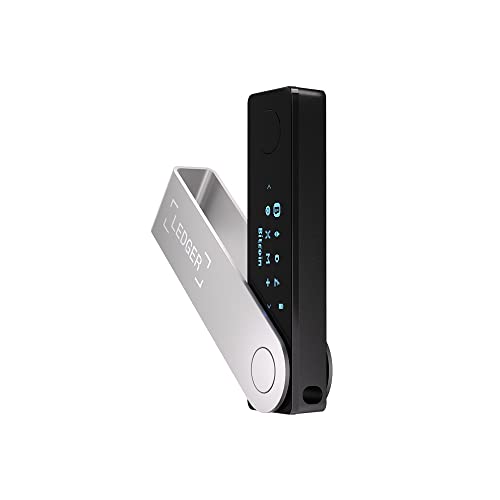
Fourth: custody matters. If you’re holding long-term, move coins off exchanges into cold storage. Exchange outages spike when volatility peaks. Don’t trust your whole position to a custodial button.
Fifth: rebalance. Decide today what your crypto allocation is and rebalance when it runs away from that target. Discipline beats prediction.
My read: this rally is real money moving on a short leash. It will produce quick gains and quicker losses. The old playbook applies — respect volatility, own a plan, protect downside.
Reed's actual take: Trim positions on the pop, set hedges if you run leverage, keep at least one dry-power tranche to buy dips, and move long-term holdings off exchanges. Size your bets so you can sleep. Volatility is opportunity — if you treat it like a threat and plan for both.