Oil Spike Blew Up a Quiet Bitcoin Rally

This article contains affiliate links. If you buy through our links, we may earn a commission at no extra cost to you. Full disclosure.
Oil shot up almost 20%. Markets reacted like a gunshot in a crowd. Stocks and Bitcoin sold off hard. That simple chain reaction tells you everything you need to know about how fragile risk assets are right now.
What happened
Geopolitical violence pushed crude sharply higher. Higher oil changes the macro math fast: inflation expectations rise, growth fears rise, and central banks get a headache. Traders dumped risky stuff to buy safety or cover positions. Bitcoin dove to roughly $65,660 on the spike, then bounced back into the mid-67,000s as panic thinned and quick buyers stepped in.
Why Bitcoin moved with stocks
Bitcoin is not an island. It behaves like a risk asset when investors need cash or when margin calls cascade. Funding rates, futures open interest, and concentrated leverage make BTC vulnerable to the same shock that takes down equities. When oil spikes, two things happen at once: growth risk rises and liquidity tightens. That’s bad for levered positions and for anything that trades as a correlated risk bet.
Don't buy the line that crypto is a pure inflation hedge in moments like this. It isn’t. At market stress points it behaves like a hot potato. High conviction believers will say otherwise. I call that marketing, not macro.
What to track next
Watch these four things and you'll know whether this is a temporary scare or the start of something worse:
1) Oil and supply headlines. If crude stays elevated, stagflation risk rises. That's a multi-week problem, not a one-day trade.
2) Treasury yields. Yields trending higher with rising oil = policy pain coming. Yields dropping while oil stays high = recession signal. Either way, the playbook for risk assets changes.
3) Funding rates and liquidations. If perpetuals funding turns wildly negative or open interest collapses, expect volatility spikes and washouts.
4) Flow from equities. Big outflows from ETFs or sudden reductions in equity risk appetite will widen crypto swings.
Trade and portfolio rules that matter
This is not time for heroics. If you are levered, your time ran out. If you hold long-term without leverage, use this to rebalance. If you trade, tighten risk parameters.
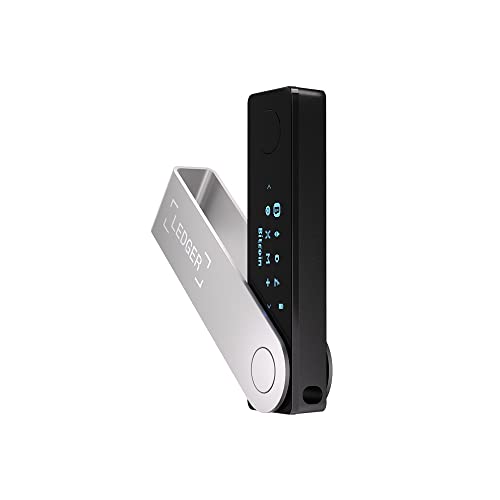
Actions: cut leverage, set size limits on dip buys, and use options where possible to hedge big positions. Keep some dry powder. Use staggered buys if you want to add to BTC. Consider protective puts or collars for larger allocations. And custody matters — if the market gets wild, you want control of your keys.
Some pundits will spin this as proof bitcoin is broken or as proof it is now a must-own inflation instrument. Both are half-truths designed to sell clicks or products. The market's behavior today shows one thing clearly: BTC is still a risk asset in crisis windows. Respect that.
My read on this: expect more episodic volatility while geopolitics and oil remain unsettled. That means smaller position sizes, tighter risk, and hedges for anyone with material exposure. For traders, scalps and short-term hedges work. For investors, think of buys on dips as building a position over time, not trying to catch a falling knife.
Bottom line: volatility is the price you pay for the upside in crypto. Manage the price. Cut leverage. Keep keys in your control. And keep your eyes on oil and yields — they’re the triggers that will decide the next leg of the move.