Price Rallies, Backend Freezes: Crypto Liquidity Just Failed the Smell Test

This article contains affiliate links. If you buy through our links, we may earn a commission at no extra cost to you. Full disclosure.
BlockFills stopped client deposits and withdrawals in the middle of a market that just ripped higher. That’s not a quirk. It’s a flashing red light.
Markets love drama. News of a US-Iran firefight and a rebound in equities pushed Bitcoin above $70K. Spot Bitcoin ETFs are pulling in hundreds of millions. The rally looks tidy on price charts. It also masks stress under the hood.
Price action isn’t the same as plumbing
Big numbers in ETF inflows and a headline price move get clicks. They do not refill banks, brokers, or liquidity desks. Liquidity providers and lenders operate on tight funding and matched-book assumptions. When volatility or withdrawals break that balance, platforms face choices: find liquidity fast, force liquidations, or freeze rails.
Freezing deposits and withdrawals is the old playbook for illiquidity. The firm may be solvent on paper. It may not be able to meet redemption timing. That gap — solvency versus liquidity — is where real losses get made and reputations die. I’ve seen the pattern before: calm market, broker leverage, sudden flow, suspended withdrawals. Then the rumor mill does the rest.
Why this matters to you
Centralized intermediaries are a convenience and a counterparty. They custody assets, and they match flow. When that matching fails, your access is the casualty. High prices mean squat if you can’t withdraw or trade when you need to.
ETF inflows are bullish at a macro level. They don’t guarantee micro-level access. ETFs track spot interest; they don’t backstop a crypto lending desk that used client deposits to finance market-making elsewhere. Wall Street will sell you exposure and call it progress. Pay attention to the footnotes.
Practical short list — what to watch and what to do
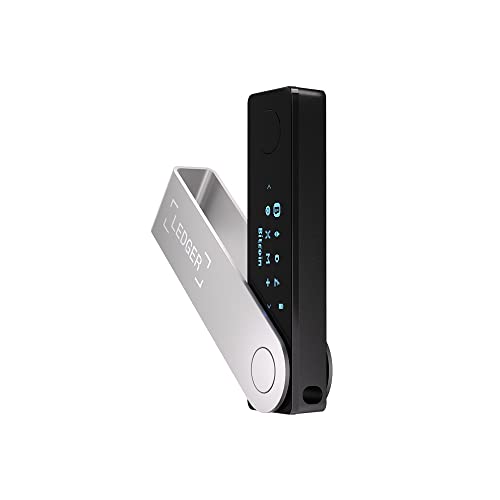
Don’t leave large sums on platforms. Move core holdings to self-custody. Use hardware wallets for long-term positions. Treat exchanges as execution venues, not vaults.
Divide and limit counterparty exposure. Split funds across exchanges and providers. Keep only what you need live for trading or yield.
Cut leverage now. Funding rates spike and spreads widen during stress. If you’re long with leverage, you’re playing with fire on a gas station roof.
Monitor exchange reserves and on-chain flows. Falling exchange BTC balances, rising withdrawal queues, and surging stablecoin redemptions are early warning signs. Watch order book depth, funding rates, and lending APRs for sudden moves.
Ask for proofs and transparency. Not every platform will provide them. Treat missing or opaque audits as a reason to move capital out.
Keep dry powder off-platform. Cash or stablecoins in your own custody let you buy into stressed liquidity with control, not panic.
For traders: widen stops, lower position sizes, and build contingency execution plans. For investors: rebalance to plan, don’t chase headline FOMO. ETFs inflows are a tailwind. Platform freezes are a threat vector.
My read: markets are bullish, but plumbing is fragile. Price can be pushed higher by flows and sentiment while pockets of the infrastructure suffer. That’s how cascades start.
What to do: move core holdings to cold storage. Keep only tradable money where you need it. Reduce leverage. Watch on-chain and exchange liquidity metrics daily. If a provider halts withdrawals, assume the worst and get your exit sorted before you trust their timeline.
If you trade, treat execution risk like enemy fire—plan your exits and don’t assume you can always pull the trigger.
Stop trusting headlines that confuse volume for safety. The rally is real. So is the risk. Act like both are true.
- Reed Calloway