Saylor Nods, Bitcoin Hits $70K — Buyers Lining Up. Here’s How to Act.

This article contains affiliate links. If you buy through our links, we may earn a commission at no extra cost to you. Full disclosure.
Michael Saylor just flashed the signal that moves markets. Strategy could add more Bitcoin to its balance sheet. That matters right now because Bitcoin has also reclaimed $70,000 and the tape is thin.
Let me be blunt. When a big corporate buyer hints at fresh purchases, they don't just add demand. They tighten available supply. MicroStrategy taught the market this lesson. Other corporates watch that playbook and copy it when treasuries and cash returns look boring or risky. Treasury valuations tightening means fewer safe, attractive yields. Corporates hunt for alternatives. Bitcoin fills a seat at that table.
Price action backs it up. BTC slid, found support around $68,000, and then ripped back above $70,000. That $68K zone is your line in the sand. Resistance sits between $70K and $72K. Break that, and momentum accelerates. Fail there, and the tape tests the $68K floor again. Simple structure. Trade it like you see it.
Don't get distracted by the noise. Headlines about geopolitics, oil moving, or a politician's tweet will spike volatility. Those same headlines also give you entries if you have a plan. The market reacts fast. Real buyers move faster. I've seen this pattern before: political noise creates short windows; corporate balance-sheet buys create durable shortage.
Call out the BS: the idea that BTC rallies purely because of retail FOMO is lazy storytelling. This move has a structural component. When large, semi-permanent holders — corporations with balance sheets — decide to park capital in Bitcoin, supply dynamics change. Retail can cheer or panic all it wants. The supply-demand math doesn't care.
So what’s actionable?
First: size correctly. If you’re playing this, don’t bet your rent. Use staggered buys. Average in around the $69–68K zone if it drops. Place a small portion above $70K if it breaks out so you capture momentum without chasing spikes. Keep at least 20–30% dry powder for whatever the tape throws next.
Second: use limit orders and plan exits. Set a sell zone in the $72–75K area to take profits on swing trades. If you want long-term exposure, ladder buys with a longer time horizon and ignore intraday noise. Trail stops if you’re trading. No hero plays with leverage; that’s how people hand over cash to margin calls.
Third: consider structure hedges. If you know options, buy calls for upside exposure with defined risk or sell covered calls against position tranches to collect premiums. If you want downside protection, use protective puts on new chunks. Again: defined risk. No free lunches.
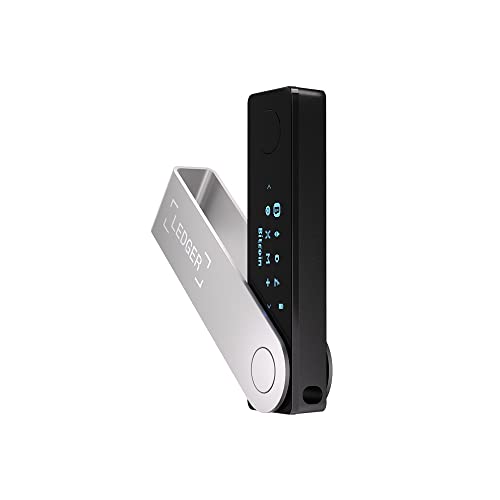
Fourth: secure your stack. If you actually hold BTC, use cold storage, firmware wallets, and split-key strategies. Corporate buyers don't just buy; they secure. You should too.
Watch the macro levers. Treasury yields, CPI prints, and corporate treasury statements will drive the next leg. When treasuries look pricey, more balance sheets pivot to alternatives. That’s when demand becomes steady, not just headline-driven.
Reed's actual take: this is a real squeeze candidate with structural buyer support — not just another pump. If Saylor-style players pile in while retail is still guessing, supply tightens and volatility favors those who planned. Position with discipline: stagger buys, keep dry powder, protect downside, and secure holdings. Don’t bet the house on hype. Move like you expect the enemy to push back hard and fast — because they will.